A systems approach to digital inclusion
A multi-neighbourhood trial of participatory Behavioural Systems Mapping to develop new approaches to tackle digital exclusion of people over 60.

About
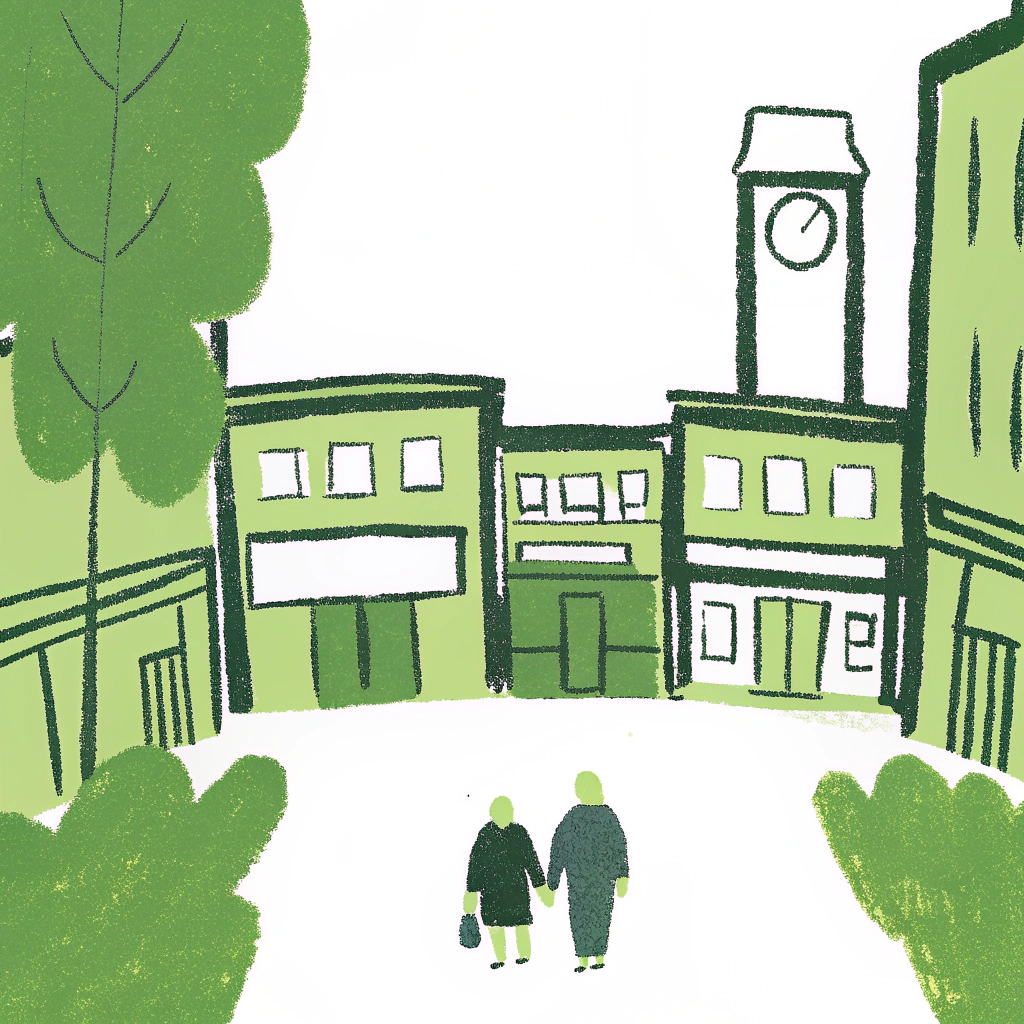
Understanding digital inclusion by looking at the organisations and groups that make up a neighbourhood.
All neighbourhoods are unique and complex. This research attempts to acknowledge this as an opportunity, and explores how mapping the behaviours of individuals and organisations could lead to increased understanding of the challenges and opportunities in improving digital inclusion for local communities.
The challenge
Older people remain one of the most digitally excluded groups in the UK, facing barriers of skills, confidence, accessibility, and trust. ONS data shows adults over 65 consistently form the largest proportion of the adult non-users of the internet, with half of those over 75 offline.
Many also experience poor health, disability, or low income, compounding digital exclusion. The consequences are significant: reduced access to healthcare, welfare and financial services, and diminished participation in the labour market. Exclusion increases financial vulnerability, risk of poor health, and increased risk of isolation and loneliness.
The research
Is it possible to rethink digital inclusion approaches? Instead of focusing on changing the behaviour of older people, can we instead tackle the systemic barriers that cause digital exclusion?
Working in five diverse UK neighbourhoods, this research trials Behavioural Systems Mapping, an innovative, evidence-led method to explore the role of institutions and local actors in digital exclusion.
By collaborating with stakeholders including local authorities, third sector partners, and local people, this work evaluates the potential of Behavioural Systems Mapping as a method. It generates new evidence on its potential as a scalable tool for local authorities to improve skills, confidence, accessibility, and local delivery.
Find out more about the research and download the report here
Explore the neighbourhoods
Each neighbourhood is unique and made up of organisations and community groups looking to tackle digital exclusion for older people. Explore them further below:



Guide
Check out our guide to learn about doing your own Behavioural Systems Mapping.
Ready to start mapping?
Visit the Guide section which includes a full guide with step-by-step instructions, facilitation guides for workshops, and real-world examples of Behavioural Systems Mapping in action.
About the project
